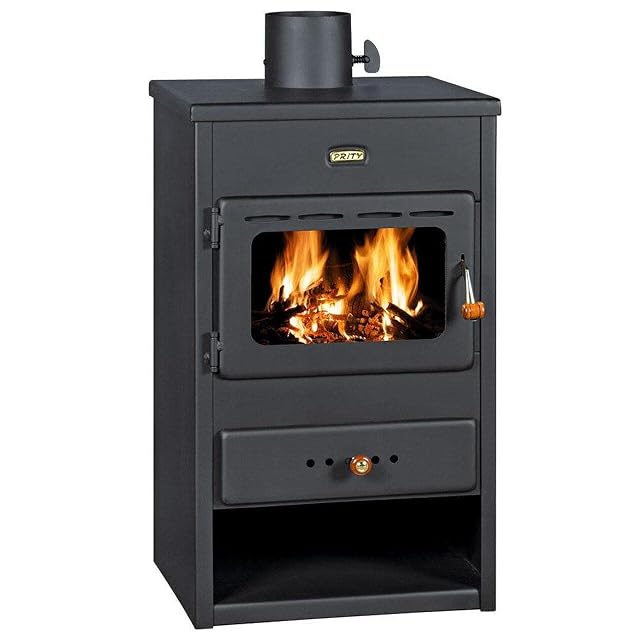
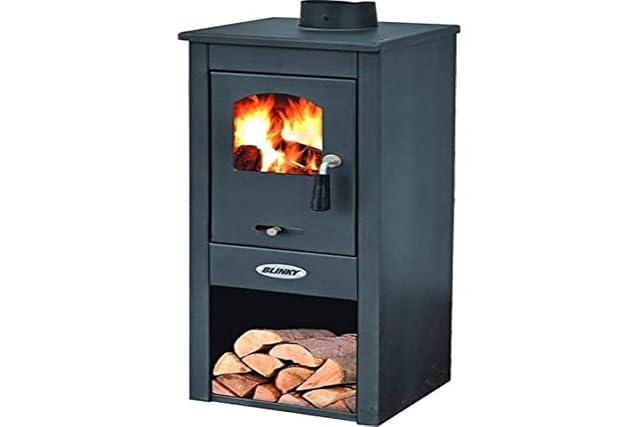
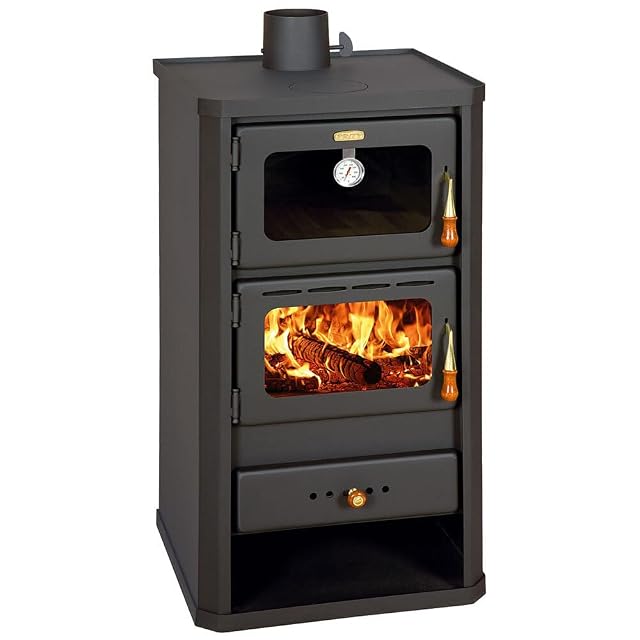
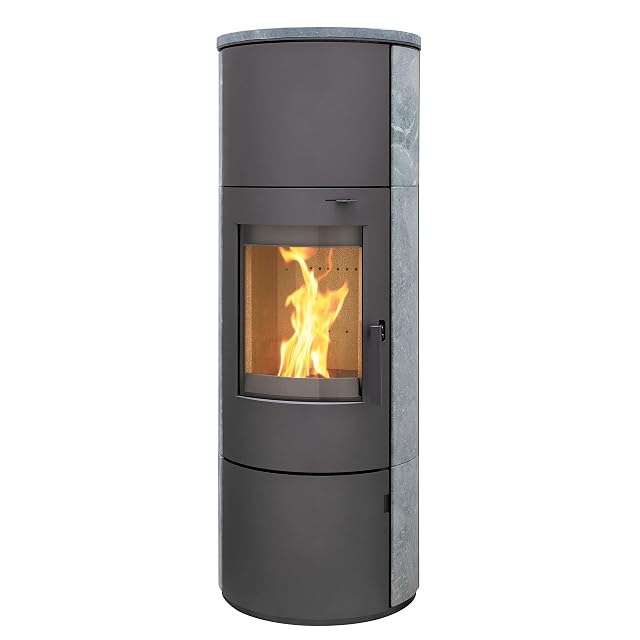
Wood stoves
A first wood stove, and the four figures that decide it
A first stove is chosen twice — once for the room and once for the chimney — and most listings only help with the first. Output is the figure everyone looks at and the one least worth chasing: an appliance larger than the room needs gets run throttled, and throttled is the condition in which glass blackens and a flue tars, so the smaller of two plausible figures is the safer error. What actually decides a purchase is further down the page. The flue spigot diameter is the number every pipe, elbow and wall sleeve is ordered against. The required draught, published by two stoves in this whole family, is the only input the appliance contributes to the calculation that says whether your chimney suits it. And the appliance type — whether the door closes itself — decides whether the flue can also serve something else. The four below are ordered by how much of that they put on the page.
By Jean-Benoit Buisson
Read the flue before the stove
The chimney is the fixed part of the installation and the appliance is the movable one, so the chimney decides first. Its internal size, its height and the draught it produces are what a stove has to suit, and the only figure the appliance contributes to that calculation is its required draught — published by two stoves in this entire family.
If nothing else is known about the chimney, that is the question to take to a sweep before a purchase rather than after it.
A nominal output is the point an appliance is held at during a standardised test. It is not a range it roams across, and it is not a quality.
An appliance larger than the room needs is run at its lowest setting most of the time, which is where glass blackens, where a flue tars and where the declared emission figures stop describing what is coming out of the chimney. Where two plausible figures exist, the smaller is the more forgiving error.
What the listing owes you
Four things, and most listings give one or two: the output, the flue spigot diameter, the required draught and the appliance type. Where a page here prints only two of the four, that is what the listing published — the rest is on the plate riveted to the appliance and in the instructions, and it has to be read before any connecting part is ordered.
Questions this guide leaves you with
How big a stove do I need?
This site does not rule on that, because the answer depends on the building rather than on the appliance — insulation, volume, how many rooms the heat has to reach. What the pages here do is print the output each maker publishes, and say when a coverage claim carries no insulation assumption behind it, which is most of the time.
Which figure should I check before ordering any pipe?
The flue spigot diameter, and it has to come from the appliance rather than from the shop. Two of the four stoves listed here publish it; the others leave it to the plate riveted on the back or to the instructions. Nothing on the connecting side can be ordered until that number is known.
What is required draught, and why is it usually missing?
It is the pressure the chimney has to pull for the appliance to burn as it was tested — 12 Pa on the two stoves in this family that publish it. It is missing because it belongs to a data sheet rather than to a sales listing, and because most sellers never expect it to be asked for. It is what a sweep needs to size a flue.