The appliance that has to fit an opening built before it
The best fireplace inserts for 2026
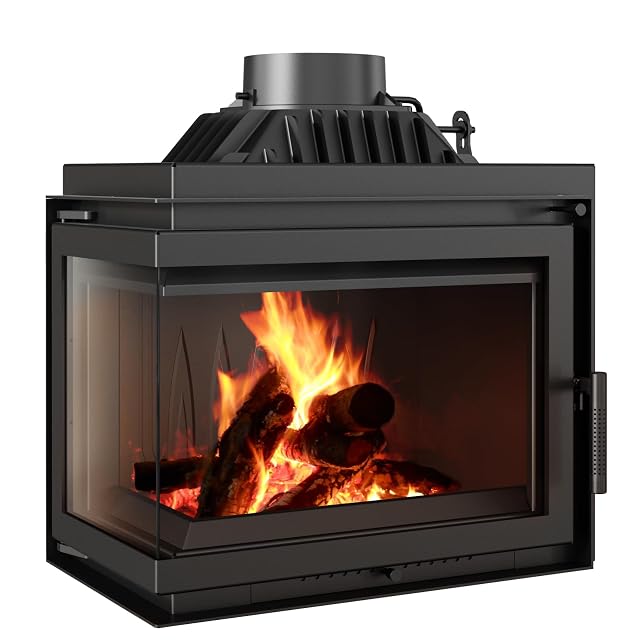
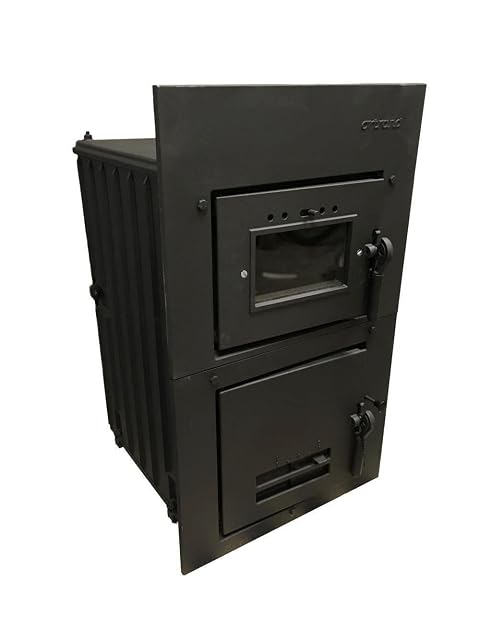
An insert is a closed firebox designed to be built into an existing opening, and that single fact governs the whole shelf: the dimensions come first and the performance second. Every other family here is chosen on output; this one is chosen on whether it goes in. The figures that decide are the external width, height and depth, the flue spigot diameter and its position — top, rear, or convertible — and the clearance the maker requires behind and above the casing, which is not the same as the size of the box. Only once those fit does the rated output and the efficiency become the question, and here inserts do well: a closed firebox typically recovers 70 to 80 % of the fuel where an open hearth recovers a fraction of that, which is the entire reason for converting one. Two design choices then separate models within the shelf. The glass — a single flat pane, a three-sided view, a rising door — which changes the view and the price far more than it changes the heat. And the convection routing: whether the casing is built to take ducted warm air to another room, which turns one appliance into two heated spaces and is the feature most often discovered too late. We compare nominal output, efficiency, firebox material, flue outlet, required draught, dimensions, weight and fuel.