Skip to content

Moving heat around the room: what a stove fan can and cannot do

A stove makes heat where it stands, and a long room stays cold at the far end. A heat powered fan is the cheapest way to move that warmth, and it needs no plug.

How it works

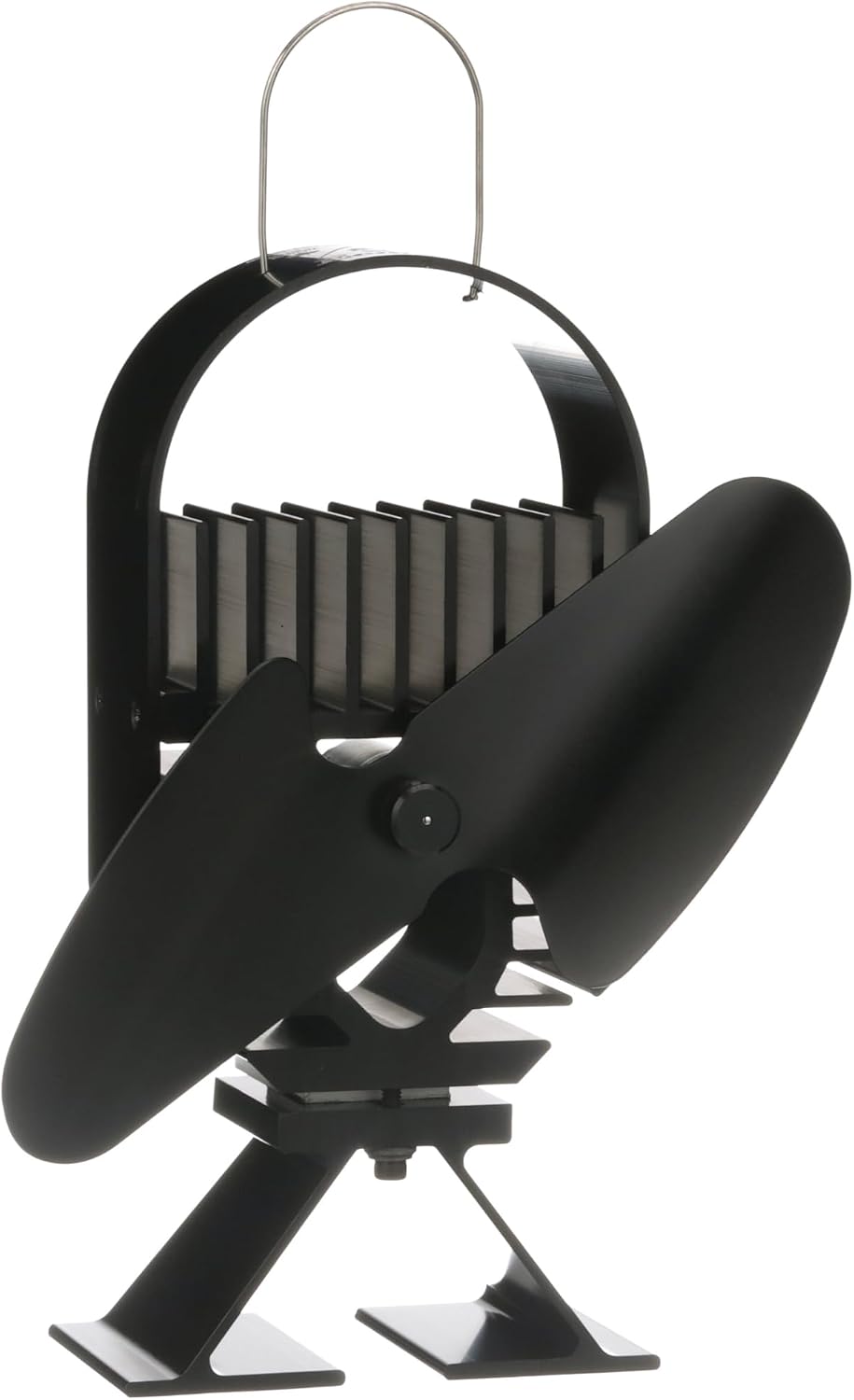
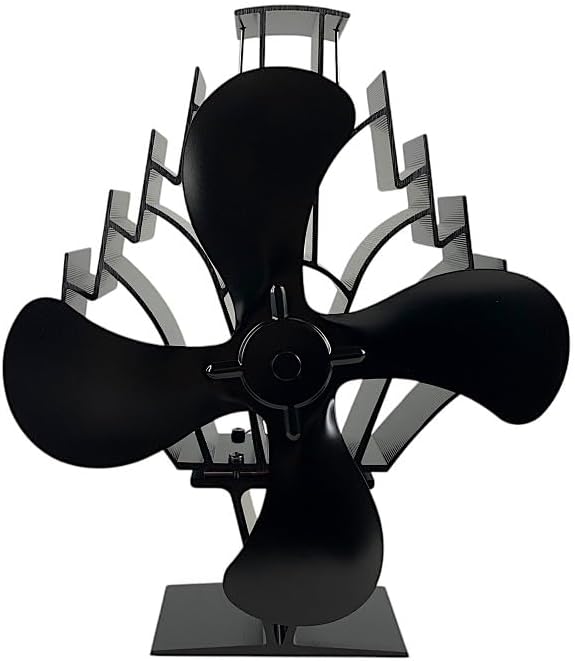
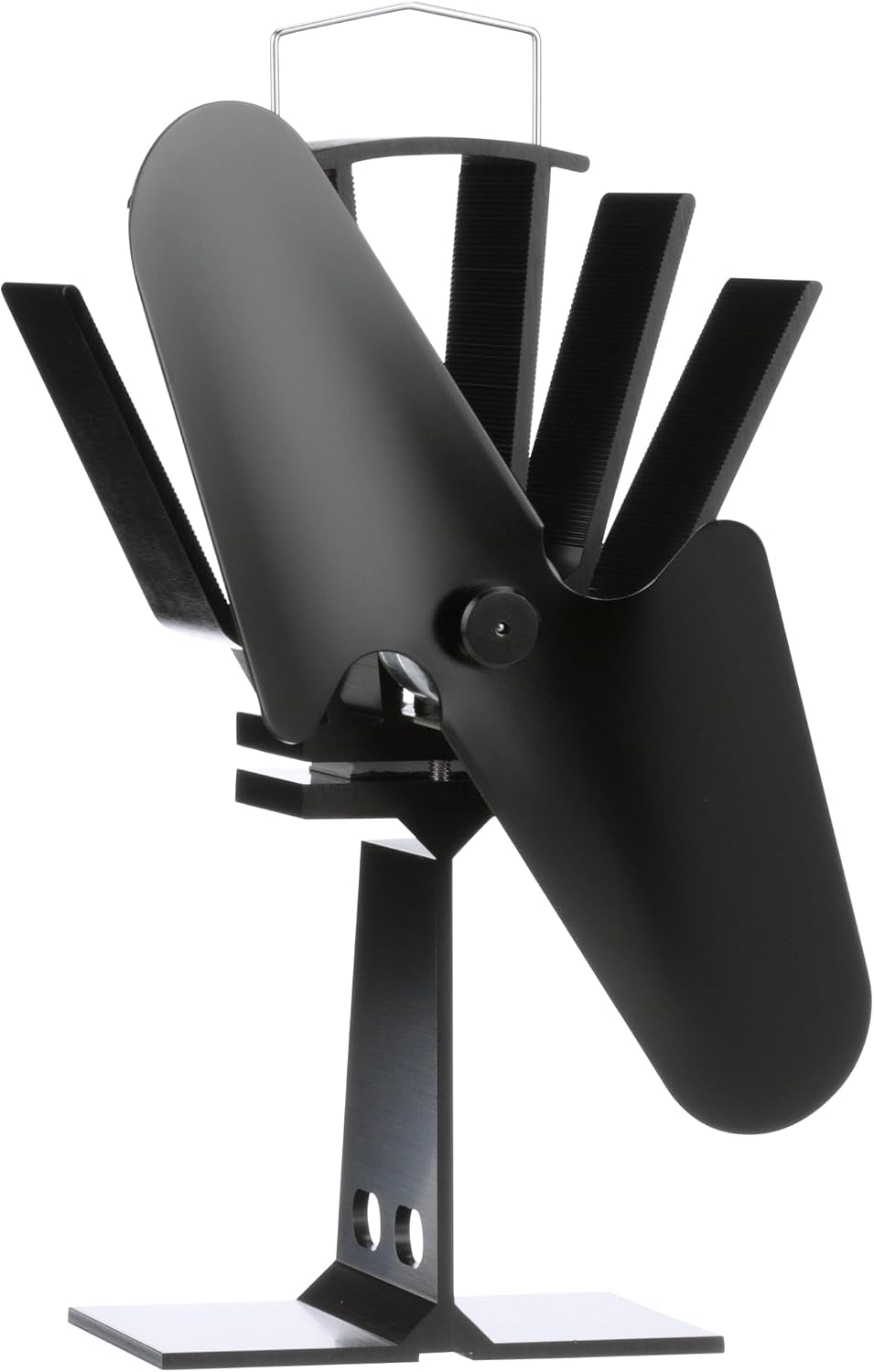
A thermoelectric module turns the temperature difference between the stove top and the fan’s fins into a little electricity, which spins the blades. Fans need a flat, hot surface.

Airflow claims

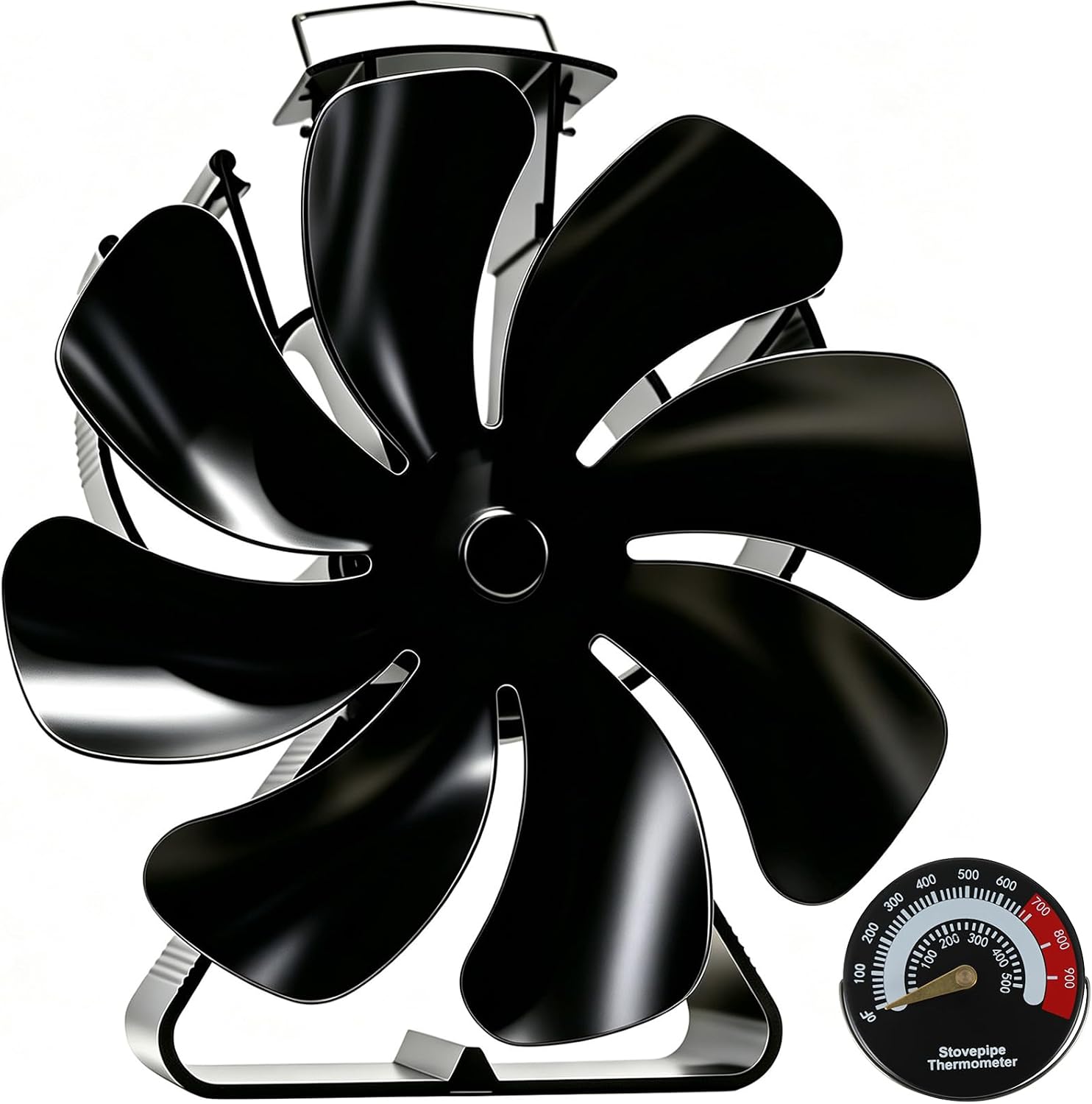
Ecofan states 100 to 160 CFM, and Freedom Stoves states 348. Budget fans quote blades instead. Without a test method, a figure is only the maker’s claim.

A blower is different

A plug-in blower moves more air, and it needs power. Many stoves sell one as an option.

Beyond the room

A fan helps the room the stove is in. For the next room, leave doors open and expect less.

The shortlist, and what puts it in this order

Questions this guide leaves you with

Will a fan cut my wood use?

Listings claim savings, with no test named. Expect a more even room, not a guaranteed saving.

Can a fan overheat?

Yes. Keep the stove top within the stated range. VODA’s listing gives 176 to 653 °F.

Each stove, and the room it has to heat

What each band of spending heats

In one line

Pairings that help choose

Stove against stove, where the comparison already exists on this site.

What this page draws on

The stoves here are taken from the catalog of this site. Specifications are the ones the manufacturer states and the ones on the Amazon page; prices are readings from Amazon.com and move often, and both change. Ranking rests on declared specifications, on stated strengths weighed against stated limits, and on price. No stove here has been lit by us, and nothing on this page suggests it has.

Last checked on

The price beside each product is fetched as this page opens, and it is the only figure here that is current. Any amount written into the prose was read once, on the day that sentence was written, and nothing has refreshed it since.