Tonnage is the headline, log length is the constraint
The best log splitters for 2026
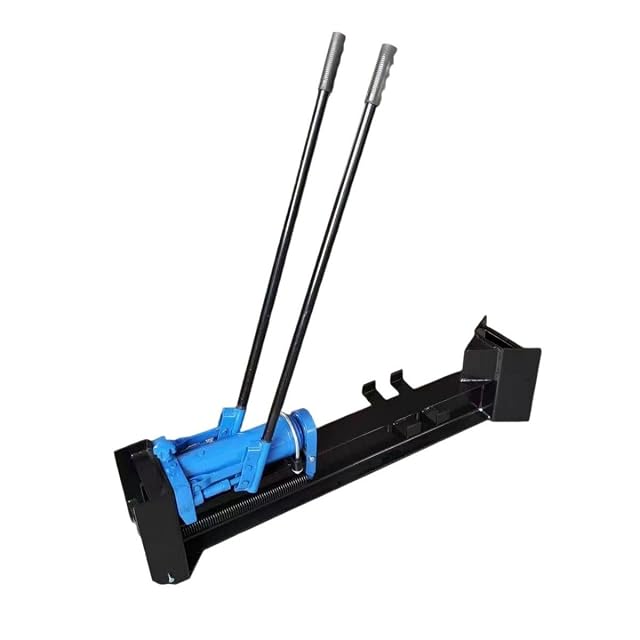
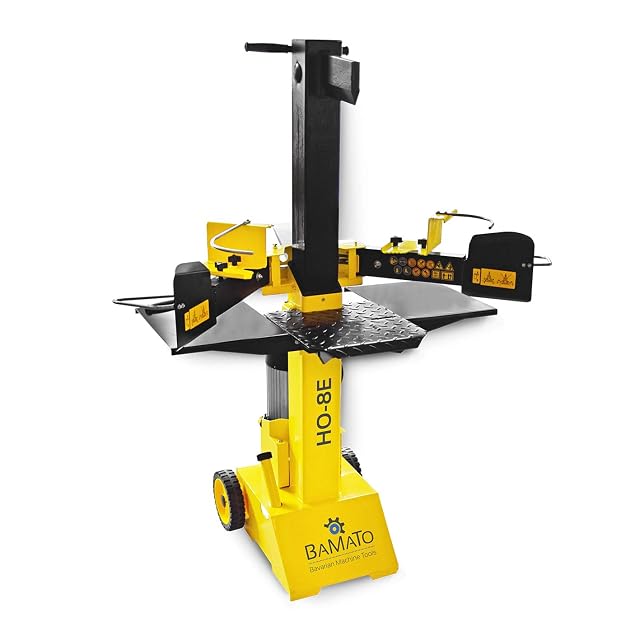
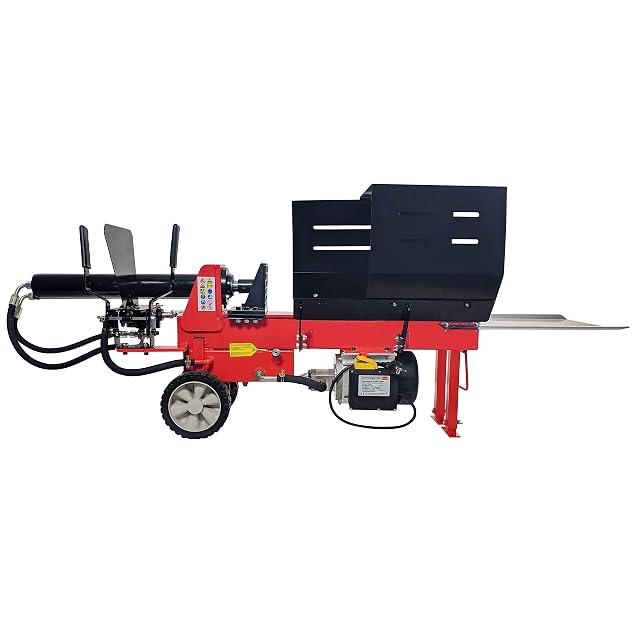
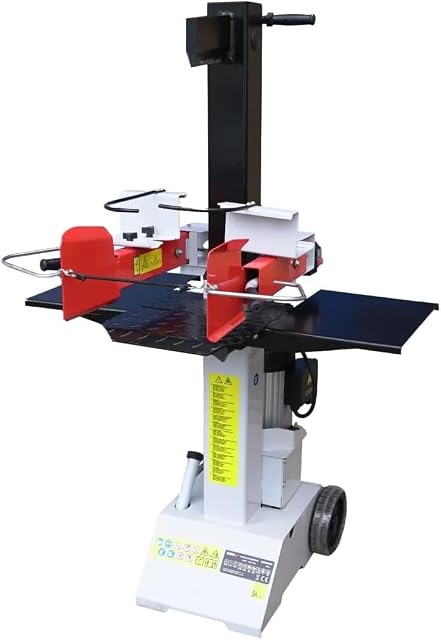
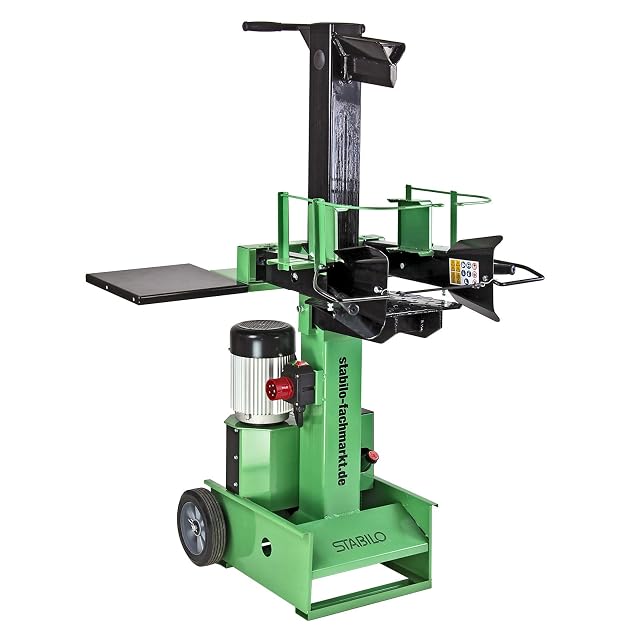
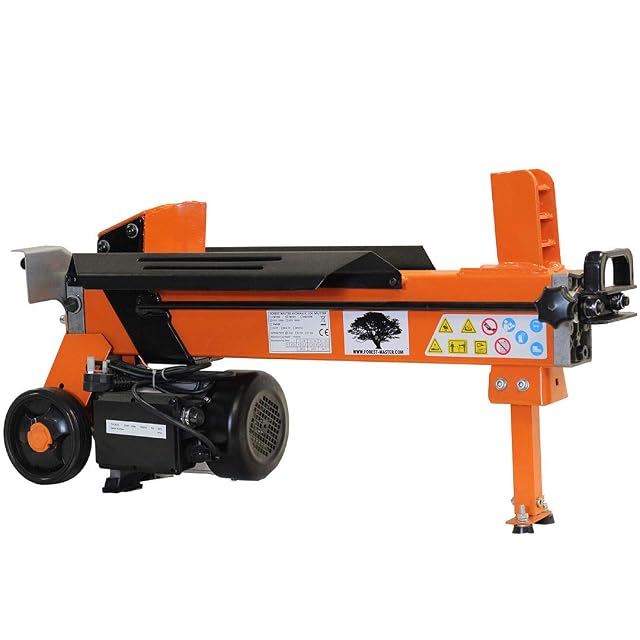
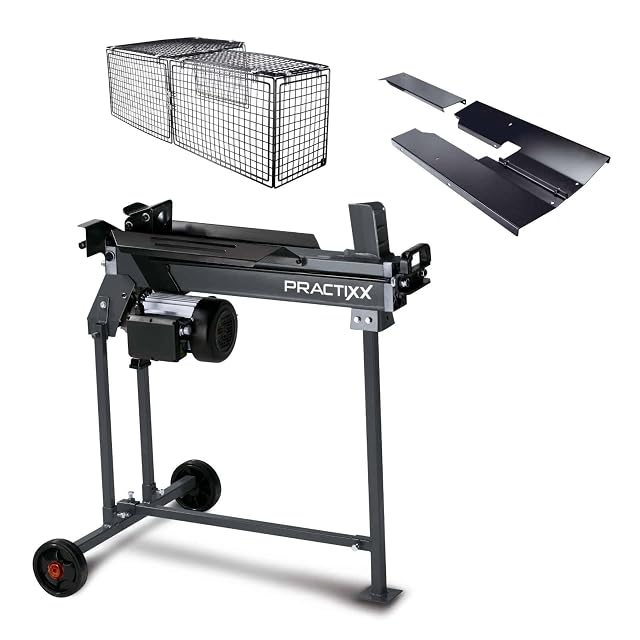
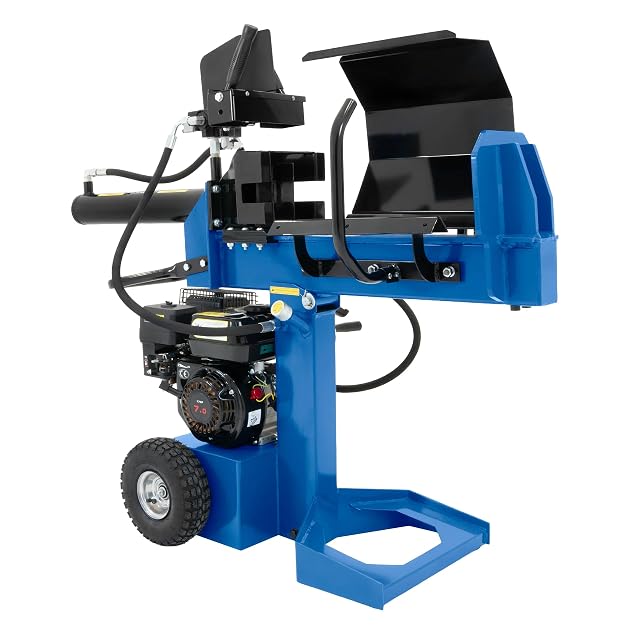
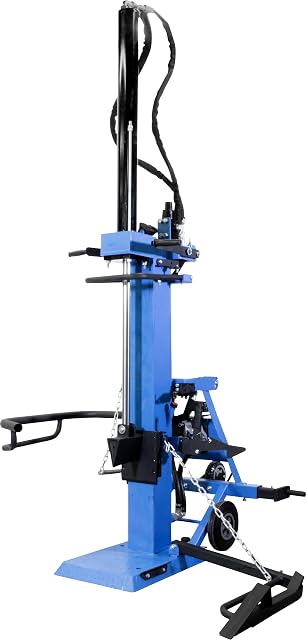
A log splitter is a hydraulic ram and a wedge, and the number every listing leads with is the tonnage — the maximum force the ram develops. It is a real measurement and it is the wrong one to choose on. What decides whether a round will go through is the maximum log length, because a splitter that accepts 37 cm cannot take the 50 cm logs an open fireplace wants, and no amount of force changes that. Read the two together: tonnage against the length and diameter the machine accepts. Then the cycle time in seconds — out and back — which is what turns a morning's work into an afternoon's; a four-second cycle and a fourteen-second cycle differ by a factor that compounds over three cubic metres. The orientation splits the shelf in two: horizontal machines sit on a bench or a stand and want the log lifted to them, vertical machines take the round on the ground and are the answer for anything heavy enough to need two hands. Finally the motor: electric splitters state kilowatts and a voltage, and a 400 V three-phase machine is not an option in most houses whatever its tonnage. We compare splitting force, maximum log length, maximum log diameter, stroke, cycle time, motor, supply, dimensions, weight and construction.