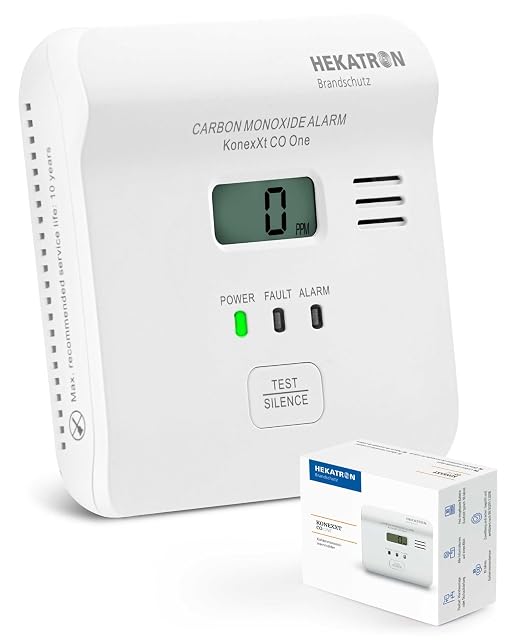
A sealed battery, a stated lifespan, and a standard printed on the back
The best carbon monoxide alarms for 2026
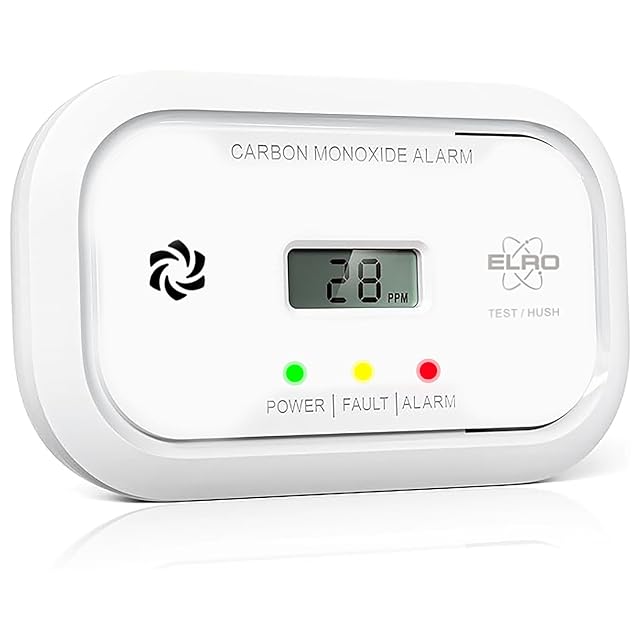
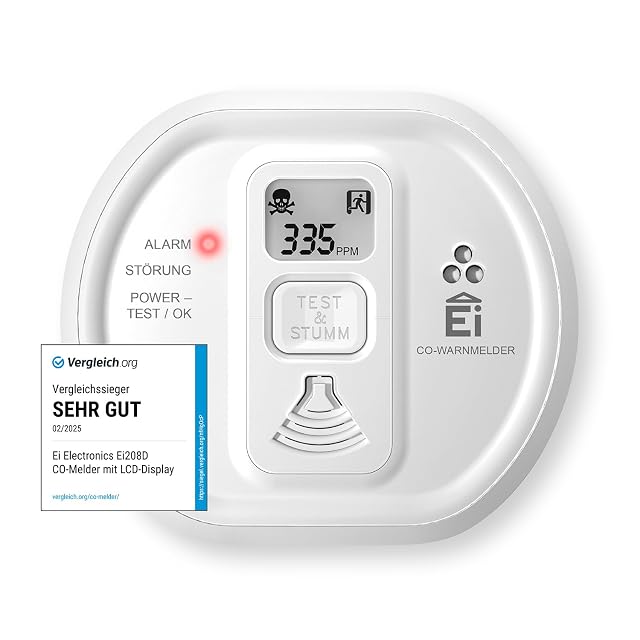
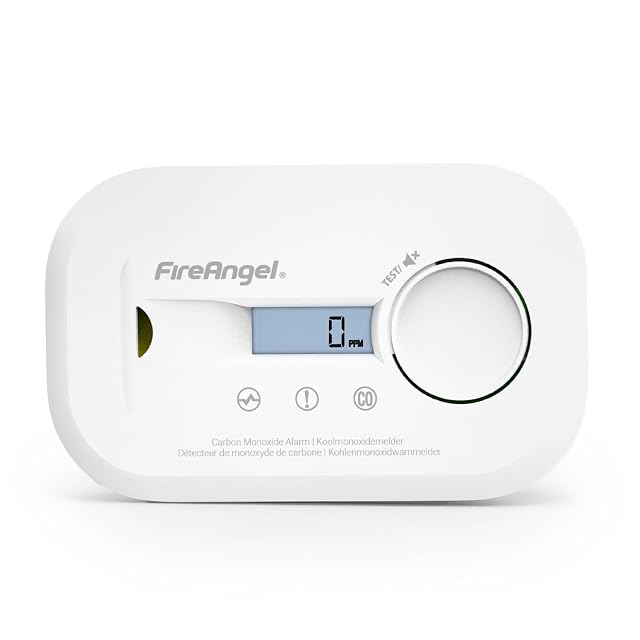
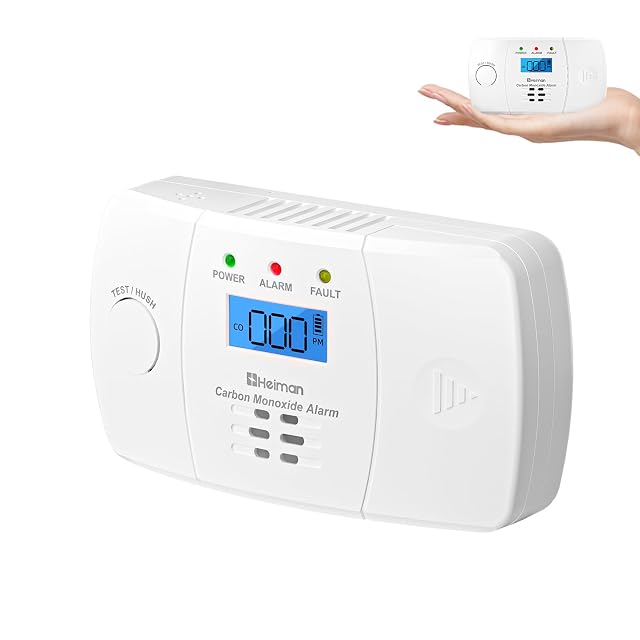
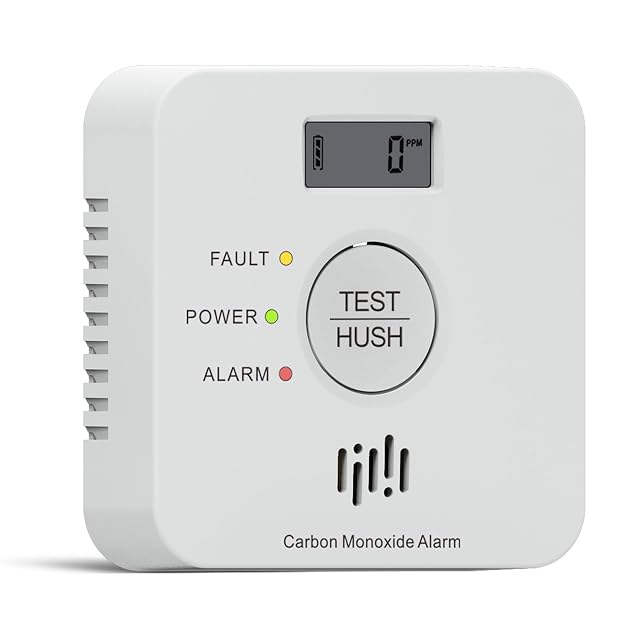
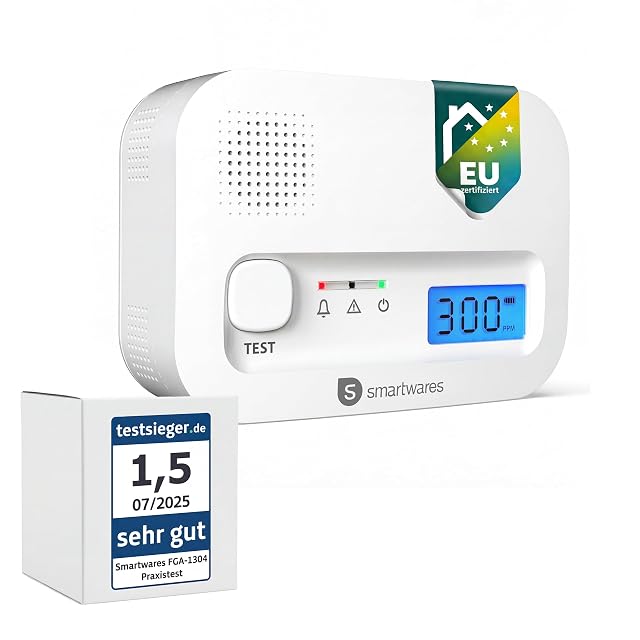
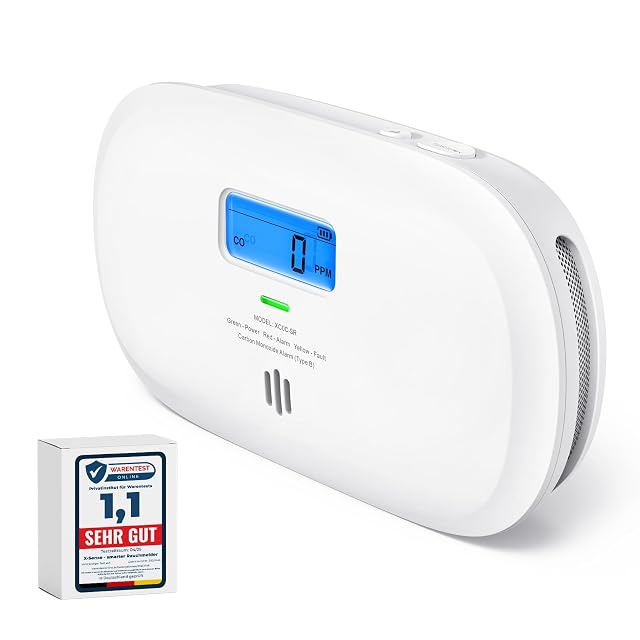
A carbon monoxide alarm is the only appliance on this site whose whole purpose is to report that something in the flue has gone wrong. It is judged on published figures and on nothing else here. The sensor lifespan is the first: electrochemical cells age whether or not they ever see gas, and every alarm on this shelf states a life — seven years and ten years are the two common answers — after which the unit is replaced, not serviced. The battery follows from it: a sealed ten-year cell means no battery changes and no battery to forget, a replaceable cell means a cheaper unit and an annual task. The declared standard is printed on the back of every legitimate device and is the single most useful thing on the listing. The alarm thresholds — the concentrations in parts per million and the time each must persist before the alarm sounds — are published by the better makers and are what separates a device that cries at a candle from one that waits too long. Then the display, which shows the current reading rather than only the alarm state, and the end-of-life signal, because an alarm that expires silently is worse than none. We compare alarm threshold, alarm level, sensor type, sensor life, battery, display, detection area, standard named, dimensions and mounting.