Stainless grade, wall thickness, and whether it is rigid or flexible
The best chimney liners for 2026
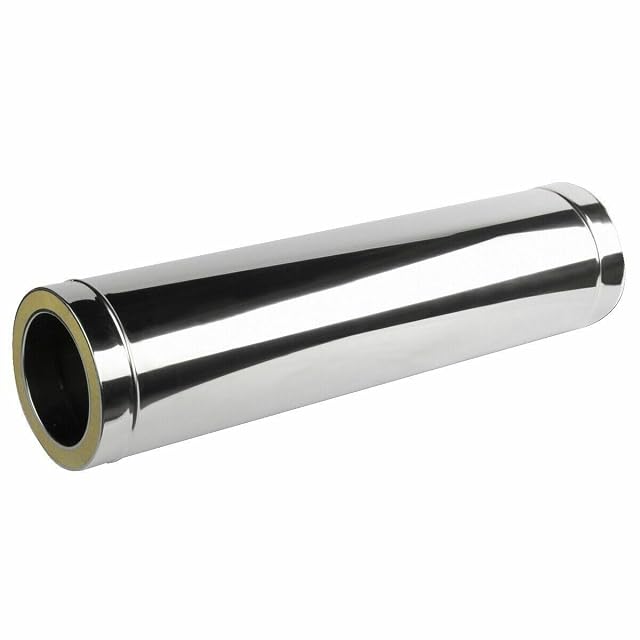
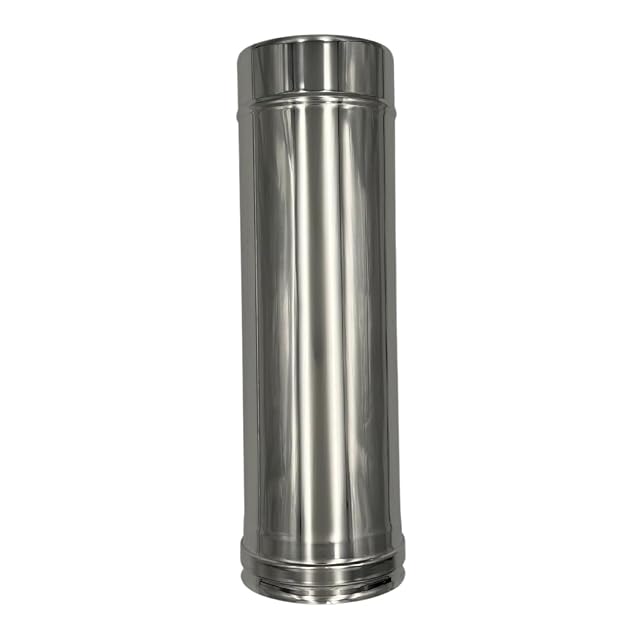
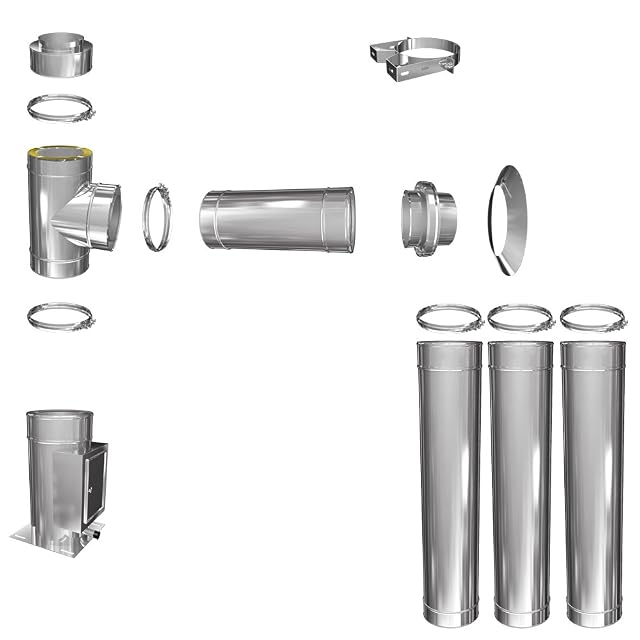
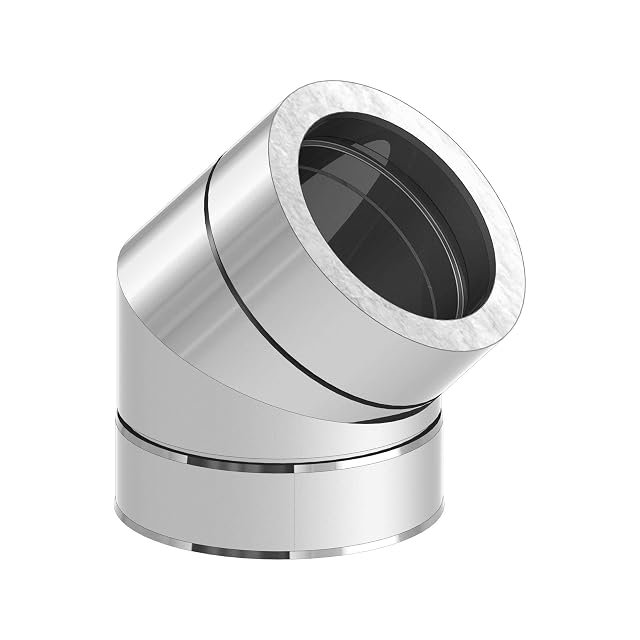
A liner is the stainless tube that goes inside a masonry chimney, either because the masonry is no longer sound or because a modern appliance needs a smaller cross-section than the flue it inherits. Four figures decide and all four are published by the serious makers. The steel grade comes first: 1.4301, 1.4404 and 1.4571 appear across this shelf, and the differences are about resistance to condensate rather than to heat — a liner on a modern low-temperature appliance spends its life wet in a way an old open fire never did. The wall thickness, in tenths of a millimetre, is the figure that separates a liner meant to last from one meant to pass an inspection; 0,6 mm and 1,0 mm both exist here. The internal diameter must match what the appliance needs, and matching it to the appliance rather than to the old flue is the whole reason for lining. Then rigid or flexible: rigid sections are made for straight runs and joint into each other, flexible tube goes round the bends an old chimney has, and the flexible one loses draught to its own corrugation — a real effect that listings never quantify. Finally the temperature and pressure class the maker declares, which is the shorthand for what the tube is certified to carry. We compare type, diameters, material thickness, steels, insulation, standard, approval and fuels.