Flue parts
A chimney from parts: what goes where, and what must match
A stove flue has two different jobs in it: connector inside the room, and listed chimney everywhere else. The parts must come from one system, and the point where one ends and the other begins is where most mistakes happen.
By Jean-Benoit Buisson
Connector or chimney
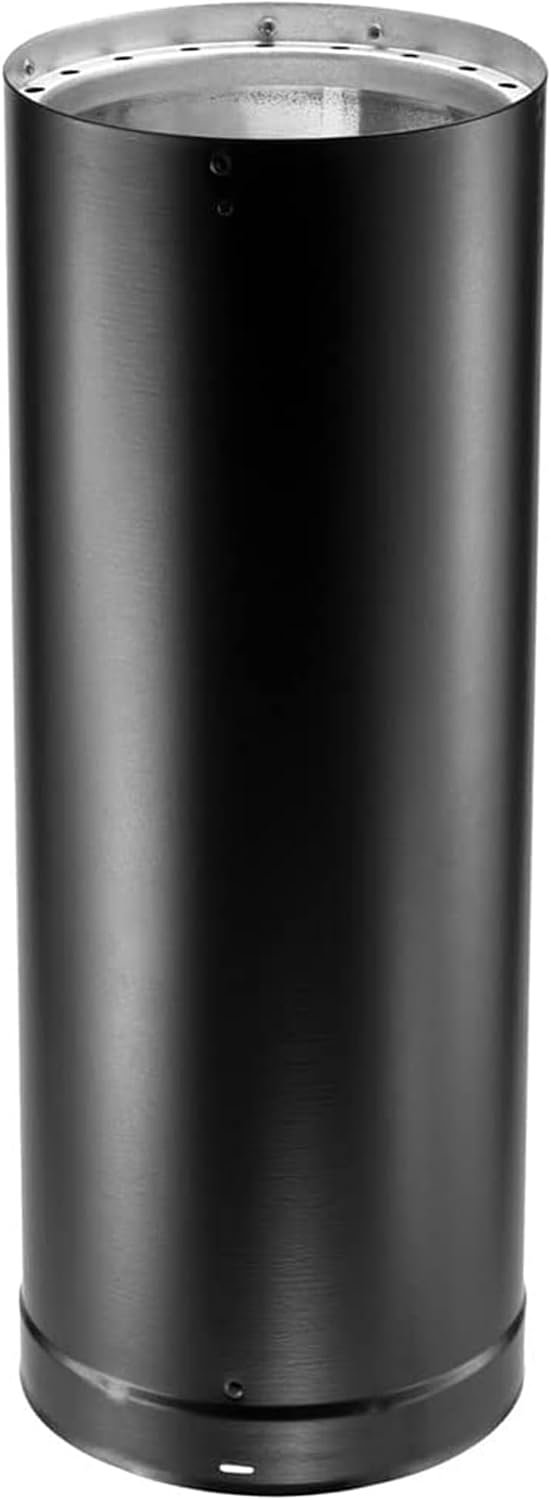
Stove pipe connects the stove to the chimney. It can be single wall, with about 18 inches of clearance, or double wall such as DuraVent DVL, which its listing says cuts wall clearance to 6 inches. It stays in the room you can see.
Through the wall or roof
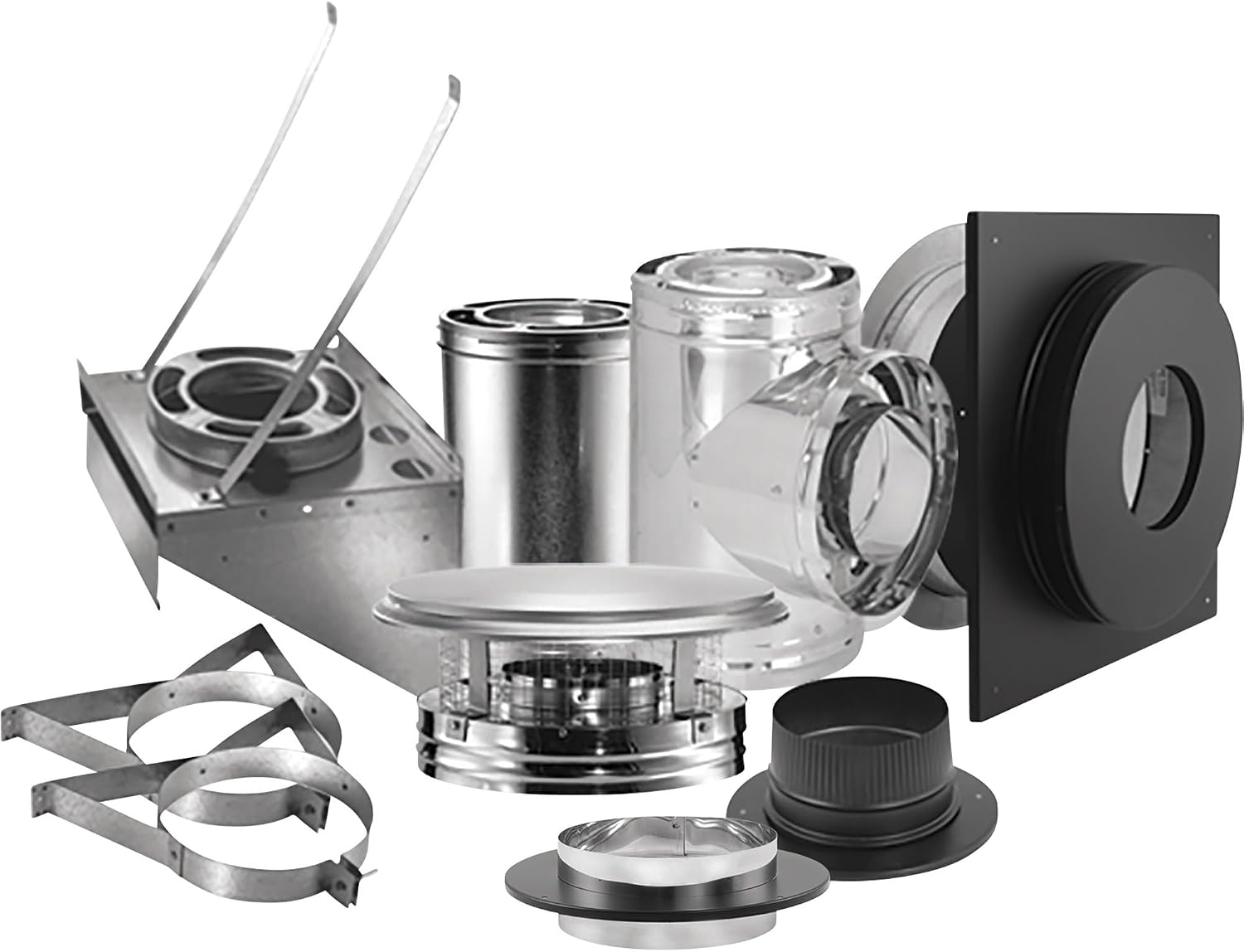
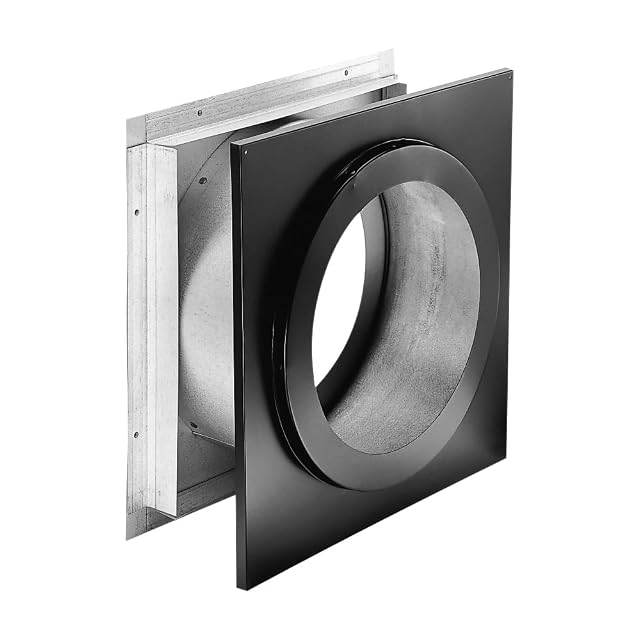
From the ceiling box or wall thimble onward, you need a listed chimney. Look for UL 103 HT. The DuraVent DuraPlus kit carries a chimney through a wall and supports up to 40 feet of pipe, which is sold separately.
Height and draft
US practice uses the 3-2-10 rule as a minimum: 3 feet above the roof where it passes through, and 2 feet above anything within 10 feet. Many stove manuals ask for more total height. Every elbow costs draft, so keep bends to a minimum.
The top
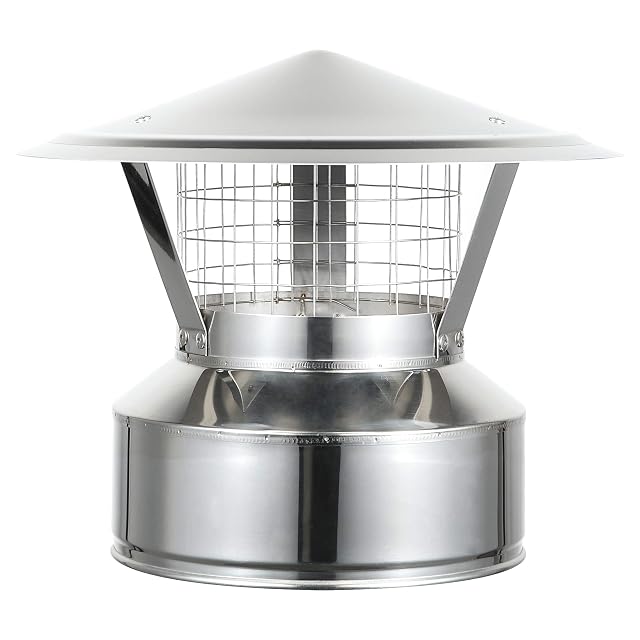
A listed chimney ends in its own cap. The AllFuel HST cap names UL 103 HT and fits only its own pipe. A generic clamp-on cap is for single-wall flues on sheds and cabins, where your code allows it.