Skip to content

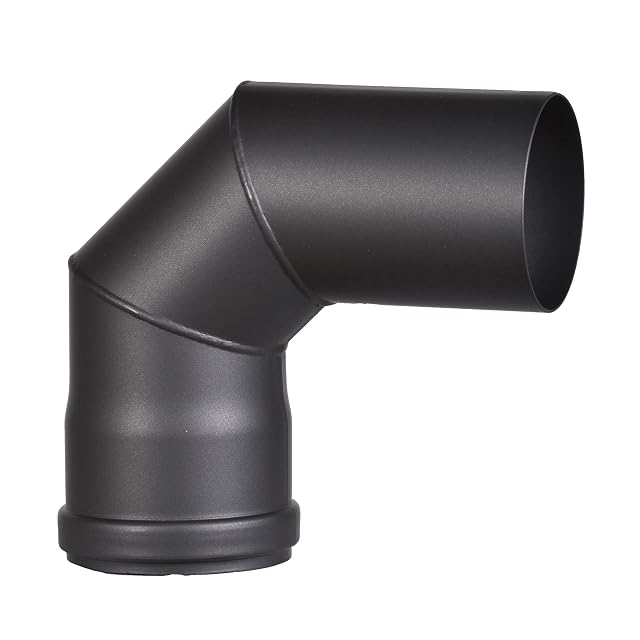
FIREFIX Pellet Pipe Elbow 90°, Ø 80 mm (3.15 in)

The pellet elbow: Ø 80 mm (3.15 in) in 1.2 mm steel, with a rubber seal already fitted and a temperature class stated to 200 °C (392 °F).

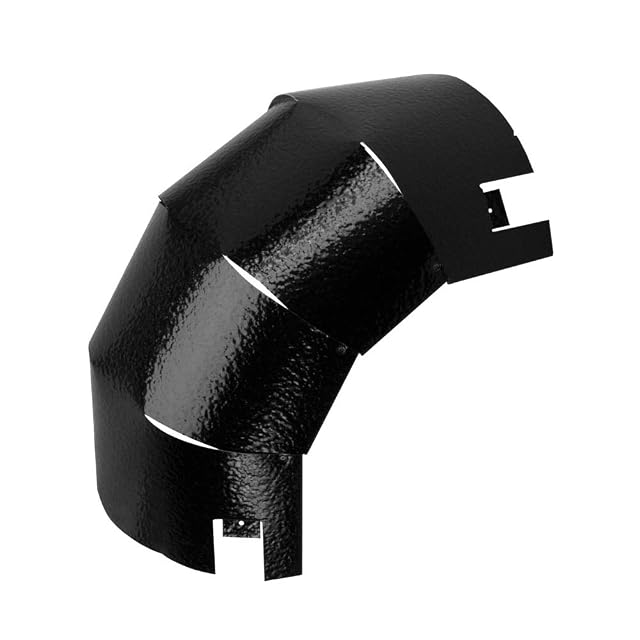
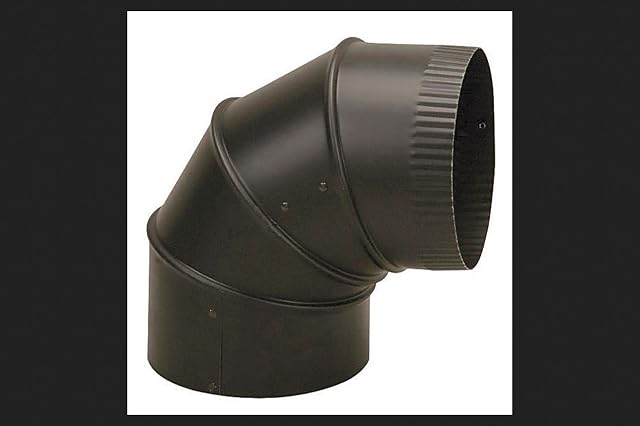
A black 90 degree pellet stove pipe elbow of 80 millimeters with a fitted rubber seal

FIREFIX Pellet Pipe Elbow 90°, Ø 80 mm (3.15 in)

The pellet elbow: Ø 80 mm (3.15 in) in 1.2 mm steel, with a rubber seal already fitted and a temperature class stated to 200 °C (392 °F).

Angle
90°
Diameter
80 mm (3.15 in)
Wall thickness
The maker does not state it.
Material
Steel, 1.2 mm (0.05 in), Senotherm black
Coating
A rubber seal already fitted, stated
Joint
The maker does not state it.
Cleaning opening
None, stated · Without a door, stated
Fuels
Pellet stoves and pellet fire sites
Standard
To 200 °C (392 °F) · Tested and approved to DIN EN 1856-2:2009
Amazon reference
B075QCX8R9 (one reference across 6 Amazon marketplaces)
EAN
4017537638206
  • Arrives with its seal fitted, which is what a fan-driven pellet flue requires
  • Publishes a temperature class rather than a bare number
  • No cleaning opening, on the part of a pellet flue that fouls fastest

Best for: A pellet appliance whose flue turns, where the joint has to be sealed rather than merely pushed together

Check price on Amazon

Specifications

Angle
90°
Diameter
80 mm (3.15 in)
Wall thickness
The maker does not state it.
Material
Steel, 1.2 mm (0.05 in), Senotherm black
Coating
A rubber seal already fitted, stated
Joint
The maker does not state it.
Cleaning opening
None, stated · Without a door, stated
Fuels
Pellet stoves and pellet fire sites
Standard
To 200 °C (392 °F) · Tested and approved to DIN EN 1856-2:2009
Amazon reference
B075QCX8R9 (one reference across 6 Amazon marketplaces)
EAN
4017537638206

What the listing actually contains

A 1.2 mm (0.05 in) pellet pipe elbow, black. Ninety degrees, without a cleaning opening, with a fitted rubber seal. Eighty millimeters diameter. Temperature class to 200 °C (392 °F). Tested and approved to DIN EN 1856-2:2009.

Five lines, five specifications.

The seal is the whole difference

A log stove elbow pushes together and relies on the flue’s own negative pressure. This one arrives with a rubber seal already fitted.

A log stove draws: the flue sits slightly below room pressure, so an imperfect joint pulls a little room air inward, which is untidy and nothing more.

A pellet appliance pushes. A fan drives the exhaust, the flue runs at positive pressure, and an imperfect joint pushes flue gas and pellet dust out — into the room the pipe is standing in.

That is why pellet flue seals exist at all, and why this elbow does not ask the buyer to source one.

Two hundred degrees, and why that is right

A far lower class than a solid-fuel elbow needs.

It is not a weaker component. It is a component for a machine that runs cool. A pellet appliance burns efficiently and its flue gas is modest; the seals that make its joints gastight set the ceiling.

This elbow’s class matches that. The whole pellet flue system is built around it, and a 600 °C (1112 °F) log stove elbow would be the wrong part here just as surely as this one would be on a wood stove.

No cleaning opening, stated

Which is worth knowing, because the bend is where a pellet flue fouls.

Pellet appliances produce fine ash, and it settles wherever the gas slows — which is at every change of direction. Some elbows carry a cleaning door; this one states plainly that it does not.

The consequence is that clearing it means taking the pipe apart, and on a sealed, positive-pressure system that also means the seal gets disturbed. A replacement seal is a separate purchase.

One point two millimeters

Between a thin 0.6 mm (0.02 in) aluminized or stainless elbow and a 2 mm (0.08 in) mild steel one.

That is the pellet gauge: lighter than a log stove’s pipe because the duty is lighter, heavier than a thin stainless liner because it is a visible, handled component.

The standard, with its year

DIN EN 1856-2:2009.

The listing names the standard with its date and pairs it with a temperature class. That combination — a class, under a named document, with an edition — is a complete certification statement.

Availability

On September 22, 2026, the price sat around $120 at the American Amazon store.

Keepa reading of September 22, 2026; stock and prices change without warning.

Prices quoted in this text were read on September 22, 2026. The live price is at the top of the page.
Questions this guide leaves you with

Why does a pellet elbow have a rubber seal?

Pressure. A log stove’s flue runs at slight negative pressure — an imperfect joint draws a little room air inward. A pellet appliance pushes its exhaust with a fan, so its flue is at positive pressure, and an imperfect joint pushes flue gas and pellet dust out into the room. That is what pellet flue seals are for, and this elbow arrives with its seal already in place.

Why only 200 °C (392 °F)?

Because that is the world a pellet flue lives in. A pellet appliance runs cool by design, and the seals that make its joints gastight are rubber or silicone, which sets the ceiling. The class on this elbow matches that. It is not a weaker part; it is a part for a different machine.

Can I use it on a wood stove?

No. Eighty millimeters is a pellet flue size, the rubber seal has a ceiling a log stove’s flue passes easily, and the appliance’s own documentation governs what it may be connected to. A pellet elbow and a log stove elbow share a word and nothing else.

The price on Amazon.com

This model is listed on Amazon.com, with no price read at the last reading. Listed is not the same as in stock: availability changes daily, and the buy box shows the live price.

Details checked on November 14, 2026.

Who buys this one, among flue elbows

A pellet appliance whose flue turns, where the joint has to be sealed rather than merely pushed together

Sources

Specifications: the manufacturer sheet for wood heating equipment and the matching Amazon product page. Prices, ratings and availability: read on Amazon.com from a New York address. Every figure on this page names its source.

How we assess these flue elbows

All flue elbows